Gosaikunda Weather: Temperature, Seasons & Best Time to Visit
Overview of Gosaikunda Weather
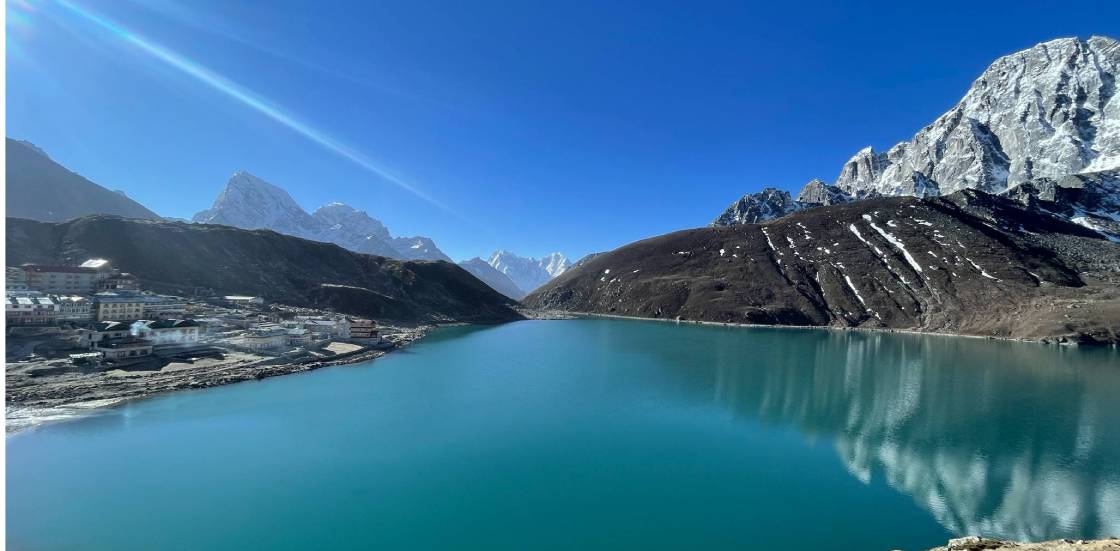
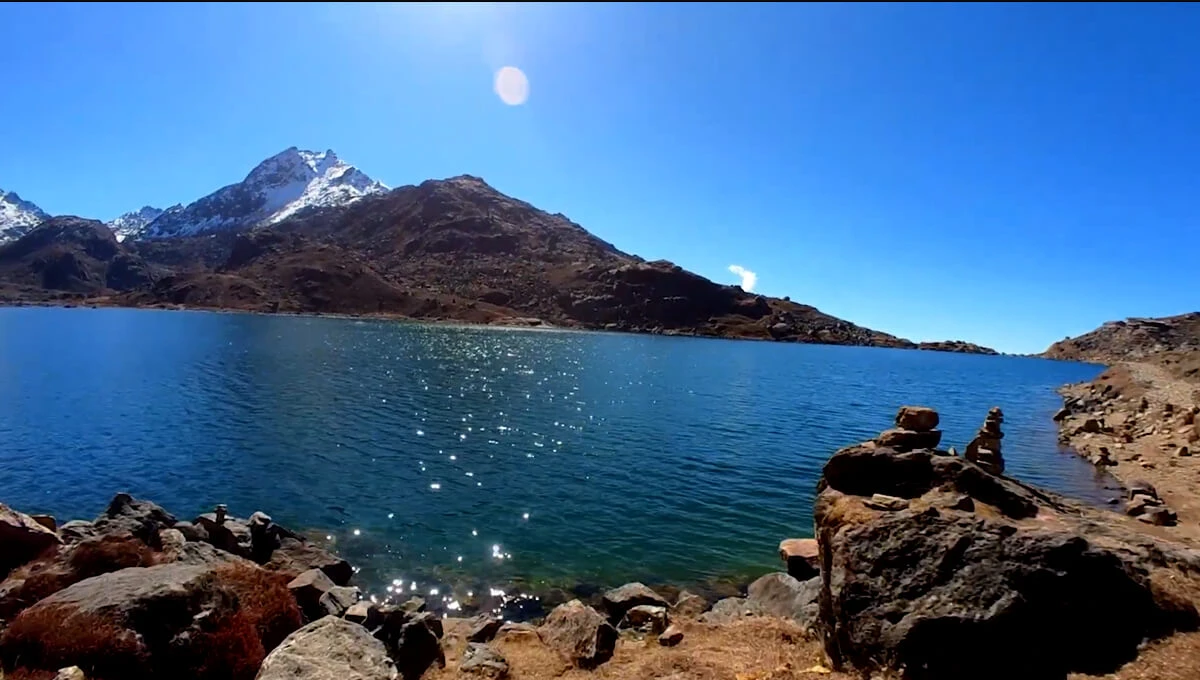
The weather in Gosaikunda is strongly influenced by its high altitude of 4,380 meters, which means conditions can change quickly and feel colder than expected. Unlike lower regions of Nepal, the climate here is alpine, where temperatures drop significantly, especially at night, and weather patterns shift throughout the day.
In general, daytime temperatures at Gosaikunda range from around 5°C to 15°C depending on the season, while nights often fall below freezing, even during popular trekking months. This large temperature difference between day and night is one of the key features of high-altitude weather.
Another important thing to understand is that weather in Gosaikunda is highly unpredictable. Mornings are usually clear and calm, offering the best mountain views, but clouds, wind, or sudden weather changes often develop in the afternoon. Because of this, trekkers are always advised to start early in the day.
The year in Gosaikunda is divided into four main seasons. Spring (March to May) and autumn (September to November) bring stable weather, clear skies, and comfortable trekking conditions, making them the best times to visit. In contrast, winter (December to February) is extremely cold with heavy snowfall, and the lake often freezes. Monsoon (June to August) brings rain, clouds, and slippery trails, which can make trekking more difficult.
Overall, Gosaikunda weather is cold, dynamic, and altitude-driven. Understanding these conditions is essential for proper planning, packing, and ensuring a safe and enjoyable trekking experience.
Gosaikunda Weather by Month
The weather at Gosaikunda Lake changes significantly throughout the year due to its high altitude of 4,380 meters. Each month brings different conditions, from heavy snowfall in winter to clear skies in autumn and rain during monsoon. Understanding month-by-month weather helps trekkers choose the safest and most comfortable time for their journey.
January – February (Peak Winter ❄️)
These are the coldest months at Gosaikunda. Daytime temperatures stay around 0°C to 5°C, while nights can drop to -10°C or lower. The lake is often frozen, and snowfall is common. Trails can be icy and difficult, making this period suitable only for experienced trekkers.
March–April (Early Spring 🌸)
The weather starts to improve as temperatures rise gradually. Days become more comfortable (5°C to 12°C), while nights are still cold. Snow begins to melt, and trails become easier to walk. This is also the time when rhododendron forests bloom, making the trek visually stunning.
May (Late Spring 🌿)
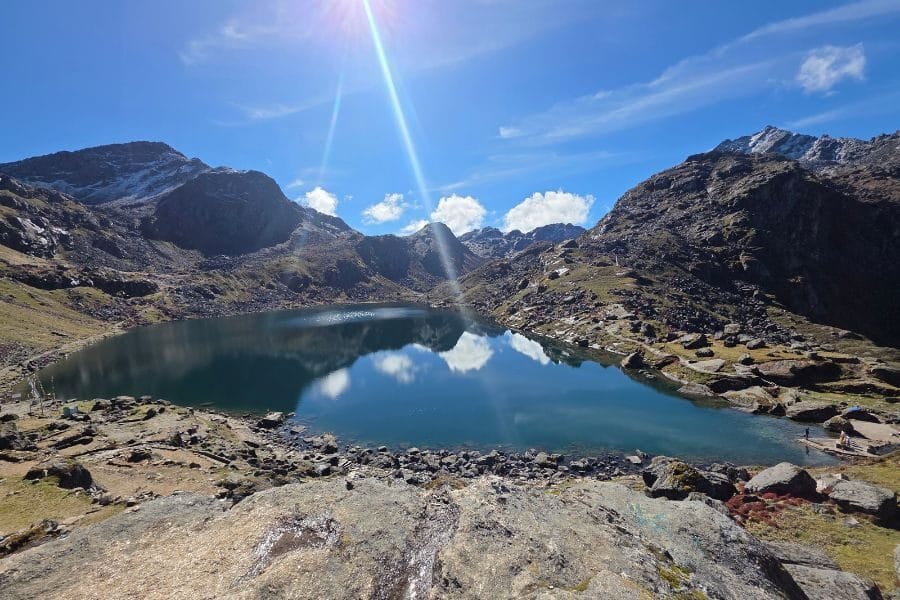
May is one of the warmest pre-monsoon months. Day temperatures can reach up to 15°C, and nights hover around freezing. The weather is mostly stable, though occasional clouds and light rain may appear toward the end of the month. It is still a good time for trekking with clear morning views.
June – August (Monsoon Season 🌧️)
This period brings heavy rainfall, especially in July and August. Trails become muddy and slippery, and visibility is often poor due to clouds and fog. Temperatures are relatively warmer (10°C to 16°C), but the overall trekking experience is less favorable. However, the landscape turns lush green during this time.
September (Post-Monsoon 🌤️)
Rainfall begins to decrease, and the weather starts clearing up. Trails are still slightly wet early in the month, but conditions improve quickly. This marks the beginning of one of the best trekking seasons with better visibility and fresh landscapes.
October – November (Best Season 🍂)
These are considered the best months to visit Gosaikunda. The weather is stable, skies are clear, and mountain views are at their best. Day temperatures range from 5°C to 10°C, while nights drop below freezing. Dry trails and excellent visibility make trekking comfortable and safe.
December (Early Winter ❄️)
Cold conditions return as winter begins. Temperatures drop quickly, and snowfall becomes more frequent toward the end of the month. While trekking is still possible in early December, conditions become harsher as winter progresses
Gosaikunda Temperature by Month
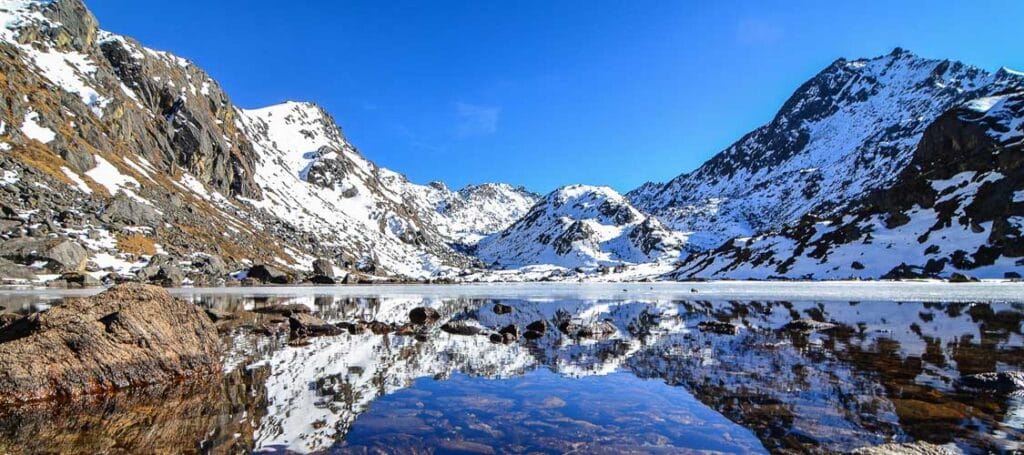
Due to the high altitude of Gosaikunda Lake (4,380 meters), temperatures remain cold throughout the year. Even during warmer months, nights often drop below freezing. The table below gives a clear month-by-month temperature estimate to help you plan better.
| Month | Day Temperature | Night Temperature |
|---|---|---|
| January | 0°C to 5°C | -10°C to -15°C |
| February | 0°C to 6°C | -8°C to -12°C |
| March | 5°C to 10°C | -5°C to -8°C |
| April | 8°C to 12°C | -2°C to -5°C |
| May | 10°C to 15°C | 0°C to 2°C |
| June | 10°C to 16°C | 2°C to 5°C |
| July | 12°C to 16°C | 5°C to 7°C |
| August | 12°C to 16°C | 5°C to 7°C |
| September | 8°C to 14°C | 0°C to 3°C |
| October | 5°C to 10°C | -3°C to -6°C |
| November | 2°C to 8°C | -5°C to -10°C |
| December | 0°C to 5°C | -8°C to -12°C |
🔥 Key Insights
- Even in summer, nights can be near freezing
- Winter temperatures can drop below -15°C
- Best balance: April–May & October
- The temperature difference between day & night is very high
“Temperatures at Gosaikunda are strongly affected by altitude, making proper layering essential for all seasons.”
Does It Snow in Gosaikunda?
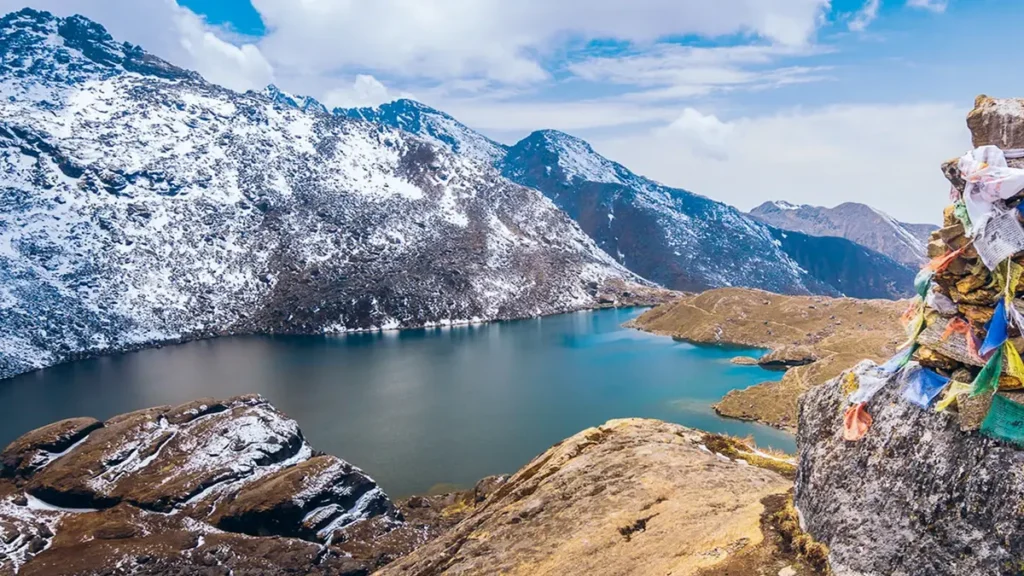
Yes, it does snow in Gosaikunda Lake, especially during the winter months from December to February. Because the lake sits at a high altitude of 4,380 meters, snowfall is not only common but often heavy enough to completely cover the trails and surrounding hills.
During peak winter, temperatures frequently drop well below freezing, and the lake itself can freeze over. Thick snow can make trekking routes difficult to follow, and in some cases, paths may become blocked or unsafe for beginners. This is why winter trekking to Gosaikunda is generally recommended only for experienced trekkers with proper gear.
Snow can also fall during late autumn (November) and early spring (March), though it is usually lighter and melts faster compared to winter. These months may still offer a chance to see snow without the extreme conditions of mid-winter.
Outside of winter, snowfall is rare. In spring and autumn, the weather is mostly clear, and the trails are dry, making trekking much easier and safer. However, due to unpredictable mountain weather, occasional light snowfall can still occur at higher elevations.
🔥 Key Takeaway
- Heavy snowfall: December – February
- Light snowfall possible: November & March
- No snow (mostly): April – October
FAQs About Gosaikunda Weather
What is the weather like in Gosaikunda Lake?
The weather in Gosaikunda is cold and unpredictable due to its high altitude of 4,380 meters. Days can be mild with sunshine, but temperatures drop quickly at night, often going below freezing. Weather can also change suddenly within a few hours.
What is the best time to visit Gosaikunda for good weather?
The best time is during spring (March to May) and autumn (September to November). These seasons offer clear skies, stable weather, and better visibility, making trekking safer and more enjoyable.
How cold does it get in Gosaikunda?
Temperatures vary by season, but in winter, it can drop below -10°C to -15°C at night. Even during warmer months, at night, the temperature can freeze .
Does it snow in Gosaikunda?
Yes, snowfall is common during December to February, and the lake can freeze completely. Light snowfall can also occur in late autumn and early spring.
Is Gosaikunda weather suitable for beginners?
Yes, but only during the right season. Beginners should choose spring or autumn when weather conditions are more stable and avoid winter and monsoon due to higher risks.
Can I visit Gosaikunda during monsoon?
It is possible, but not recommended. Heavy rain, slippery trails, and poor visibility make trekking more difficult and less enjoyable during the monsoon season.
What should I pack for Gosaikunda weather?
You should pack:
Warm layered clothing
Down jacket
Gloves and hat
Waterproof jacket
Good trekking shoes
Weather can change quickly, so being prepared is very important.
These answers help trekkers better understand Gosaikunda weather and plan their trip safely. Understanding the weather at Gosaikunda Lake is essential for planning a safe and enjoyable trek.
From freezing winter conditions to clear autumn skies, each season offers a different experience. By choosing the right time, preparing for temperature changes, and staying aware of unpredictable conditions, trekkers can fully enjoy the beauty of Gosaikunda without unnecessary risks.
Related Posts
Recent Posts
-

Gosaikunda Weather: Temperature, Seasons & Best Time to Visit
Apr 02, 2026 | Umesh Thapa
-
Gosaikunda Altitude: Height, Difficulty & Trekking Guide
Apr 01, 2026 | Umesh Thapa
-
Dhunche to Gosaikunda Distance: Detailed Breakdown
Mar 31, 2026 | Umesh Thapa
-
Amazing Pashupatinath Temple Guide: Timing, Entry Fee & Travel Tips 2026
Mar 17, 2026 | Umesh Thapa
-
India’s Ceramic Tile Industry: Growth, Innovation, Exports, and Future Opportunities
Mar 02, 2026 | Umesh Thapa

Popular Posts
-

-

Discover Manungkot: A Hidden Gem in Nepal
Sep 06, 2025 | Umesh Thapa 685 views -

Annapurna base camp trek
Nov 02, 2025 | Umesh Thapa 435 views -

Pathivara Mata Temple Travel Guide 2026 (Trek Distance, Cost & Route)
Oct 29, 2025 | Umesh Thapa 418 views -

Ghyangswara Park: The Ultimate Peaceful Nature Destination in Nepal
Oct 15, 2025 | Umesh Thapa 378 views