Annapurna base camp trek
Infrastructure construction has begun at the Annapurna Base Camp and Maurice Hargoj Trekking Trail in Narchyang, Annapurna Rural Municipality-4, Myagdi, at a cost of Rs 12.5 million.
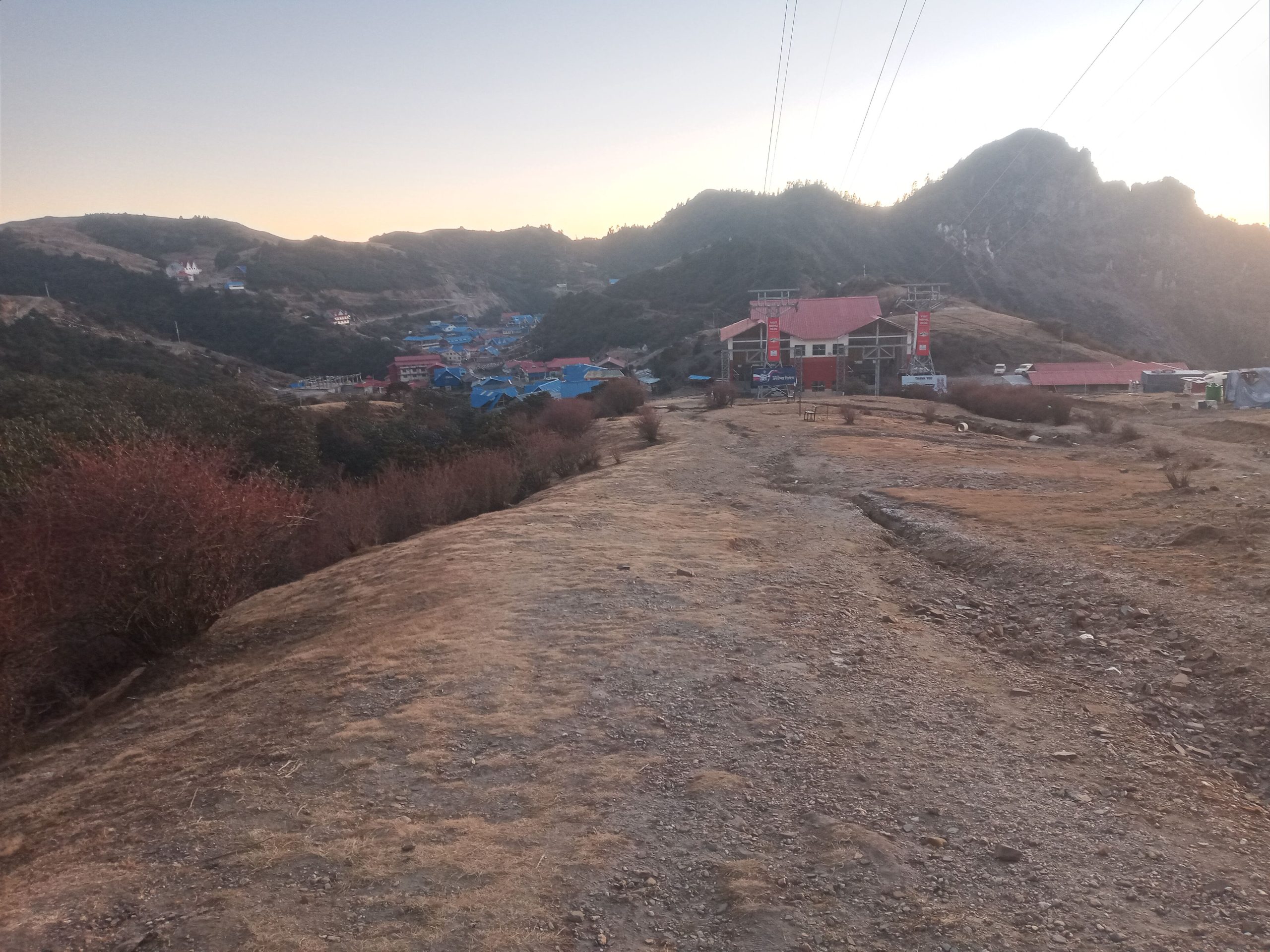
The construction of shelters, toilets, drinking water, trekking trails, tea shops, and an open museum has been started with a budget of Rs 10 million from Annapurna Rural Municipality, Rs 2 million from the Nepal Tourism Board, and Rs 500,000 from the Annapurna Conservation Area Project (ACAP). Annapurna Rural Municipality Chairman Bharat Kumar Pun informed that temporary structures are being constructed in the Annapurna Base Camp and Panchkunda Lake area.
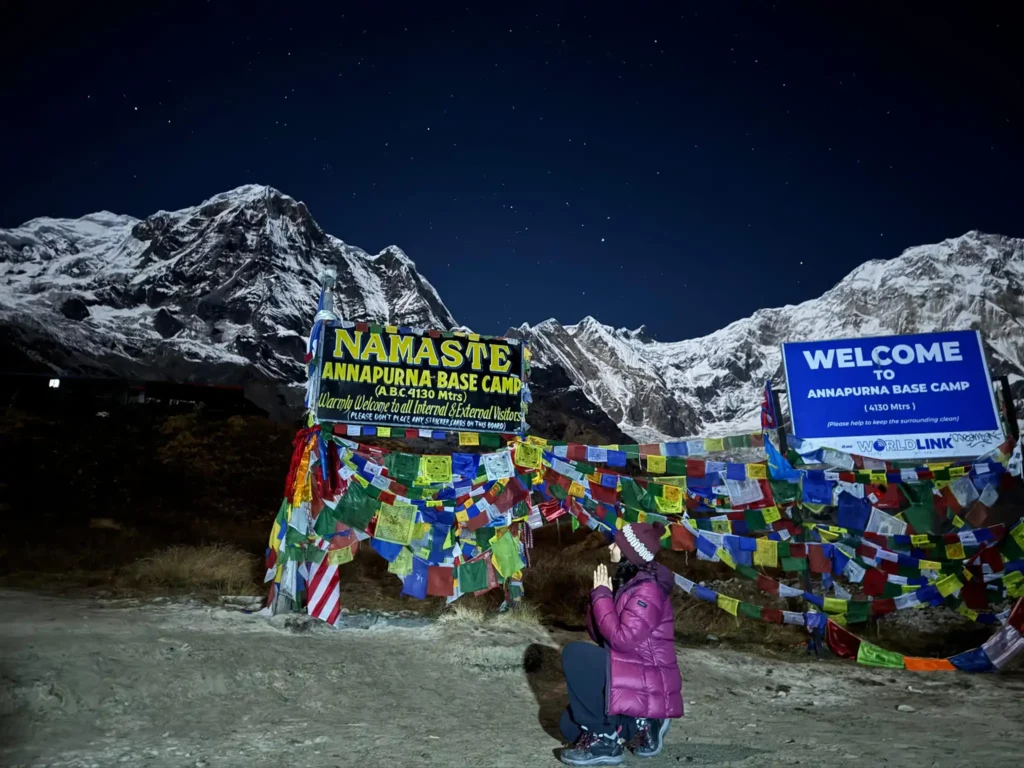
“Since it falls under the ACAP, there are policy issues in constructing permanent structures, so temporary structures have been constructed for the convenience of tourists,” he said. “The rural municipality has invited tenders for operating tea and snack shops at the Annapurna Base Camp and trekking trails.”
Annapurna Chief Administrative Officer Ram Prasad Sharma Kandel said that a survey of the plan and cost estimates has been prepared and a consumer committee has been formed. Three shelters are being constructed at a cost of Rs. 4 million in the Sandhikharka, Bhusket, and Panchkunda lake areas.
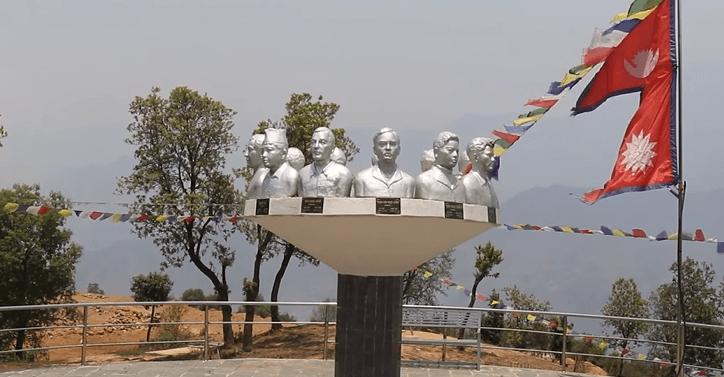
Rs. 3 million has been allocated for the construction of drinking water and toilets in Humkhola, Phutphute Jharana, Guphaphat, Bhusket, and Panchkunda. Rs. 1 million each has been allocated for the construction of a tea shop in the Phutphute Jharana area and an open museum at the base camp. The open museum aims to collect and preserve the records at the base camp, said Annapurna Rural Municipality Sub-Engineer Bal Krishna Poudel.
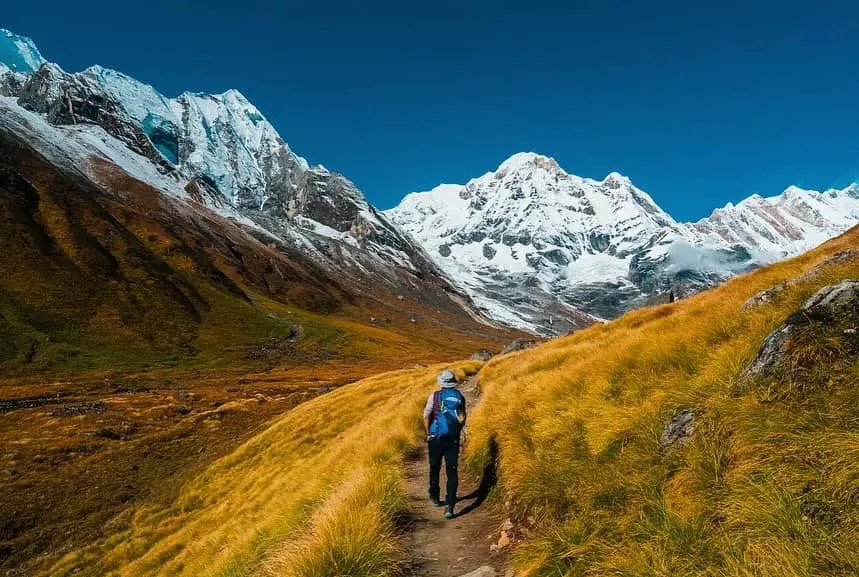
A user committee has been formed to mobilize Rs. 2 million from the Tourism Board, Rs. 1 million from the rural municipality, and Rs. 5 million from ECAP for the construction and improvement of the trekking route. A team of Chief Administrative Officer Kandel, Sub-Engineer Poudel, and Samunta Yadav visited the base camp last week and returned after inspecting the project construction site.
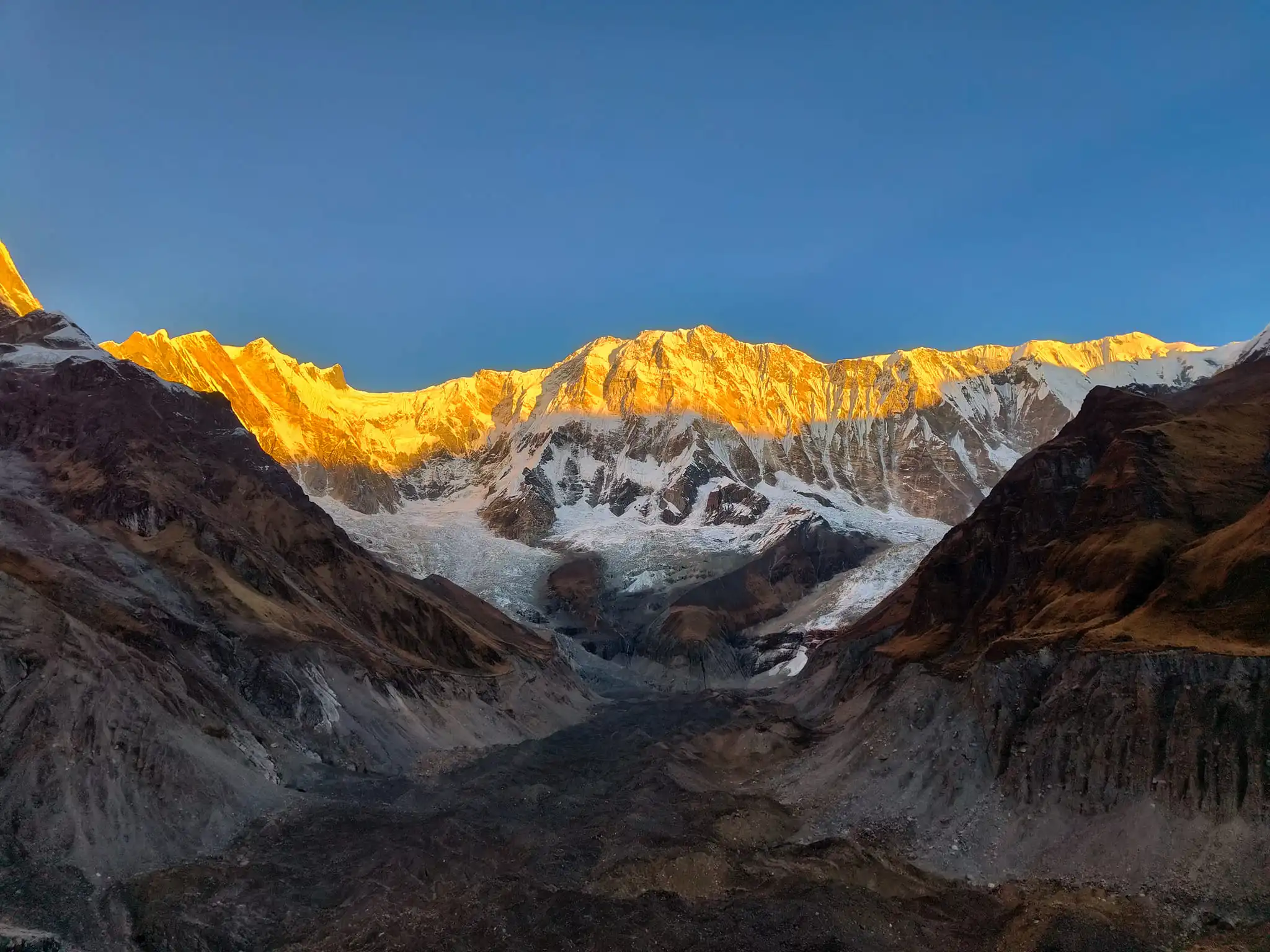
The infrastructure construction was started after tourists visiting the 8,091-meter-high Annapurna base camp, which is far from human settlements and has no hotels or restaurants, faced problems in food, accommodation, and waste management.
According to Lok Bahadur Fagami, ward chairman of Annapurna Rural Municipality-4, about 5,000 domestic tourists visited the Annapurna base camp during Dashain-Tihar. He said that initiatives have also been taken to expand the suspension bridge, communication, and electricity facilities and set up a tourist checkposton the Maurice Hargoj trekking route.
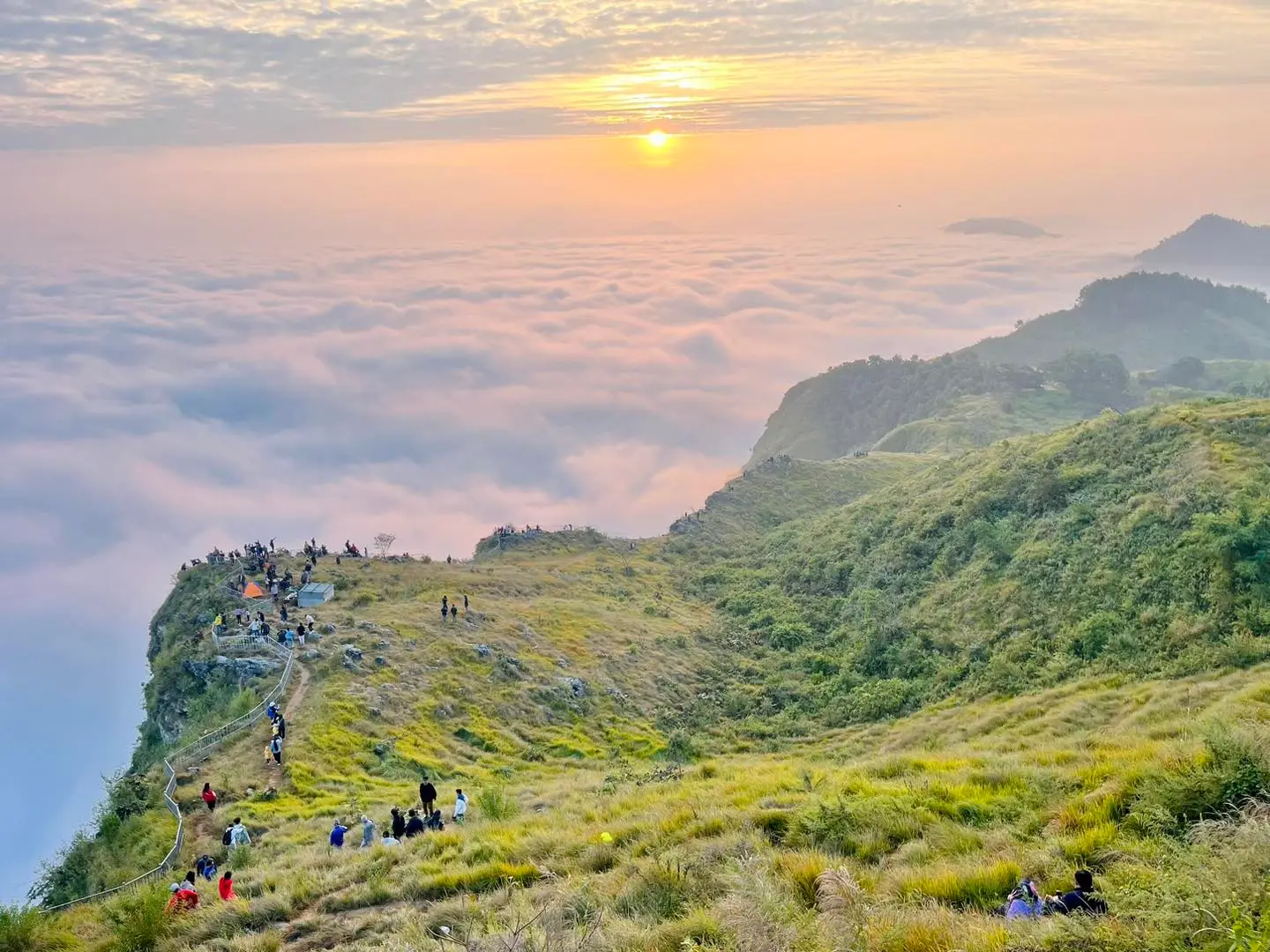
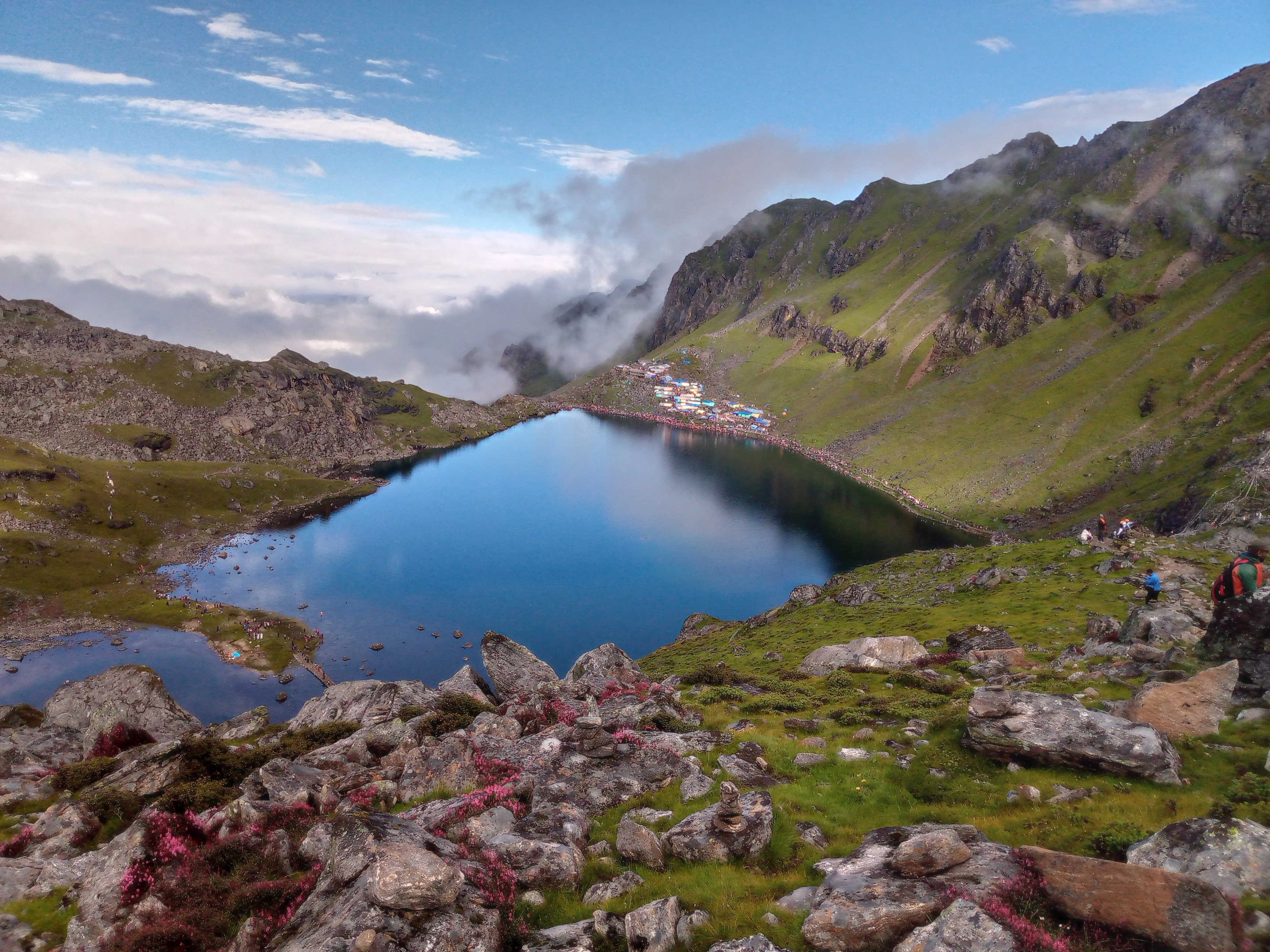
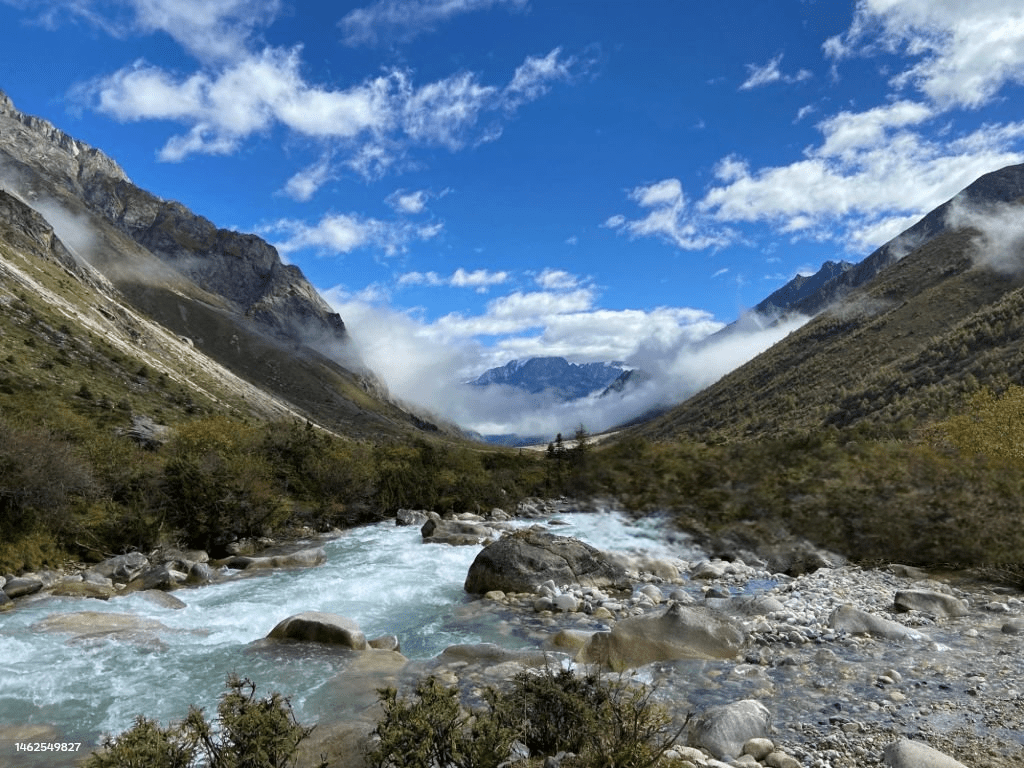
The base camp can be reached by observing tall waterfalls, beautiful mountain ranges, unique geography, mountains, rare flora and fauna along the banks of the Mistrikhola river flowing from the foothills of the Annapurna and Nilgiri mountains. The blue Panchkund Lake at the foothills of Annapurna is the attraction of the base camp.
The Annapurna base camp is the choice of tourists because it can be done in a short period of three days. Following the route used by Herzog’s team to climb Annapurna, the fact that Annapurna Himal and the base camp were in Myagdi was identified in 2068 BS under the leadership of Tej Gurung of Narchyang.
The Annapurna Rural Municipality has named the trekking route ‘Maurice Herzog.’ A 20-kilometer road from Narchyang to Humkhola and a 22-kilometer basic trekking route from Humkhola to the base camp have been prepared.
Related Posts
Recent Posts
-

Amazing Pashupatinath Temple Guide: Timing, Entry Fee & Travel Tips 2026
Mar 17, 2026 | Umesh Thapa
-
India’s Ceramic Tile Industry: Growth, Innovation, Exports, and Future Opportunities
Mar 02, 2026 | Umesh Thapa
-
What Is the Indian Legend Regarding the Discovery of Tea?
Mar 02, 2026 | Umesh Thapa
-
Budget Travel Tips for Expensive Cities USA: How to Explore Without Overspending
Mar 01, 2026 | Umesh Thapa
-
Top 5 Best Visiting Places in Nepal (2026)
Feb 28, 2026 | Umesh Thapa


Popular Posts
-

-

Discover Manungkot: A Hidden Gem in Nepal
Sep 06, 2025 | Umesh Thapa 649 views -

Annapurna base camp trek
Nov 02, 2025 | Umesh Thapa 411 views -

Pathivara Mata Temple Travel Guide 2026 (Trek Distance, Cost & Route)
Oct 29, 2025 | Umesh Thapa 393 views -

Ghyangswara Park: The Ultimate Peaceful Nature Destination in Nepal
Oct 15, 2025 | Umesh Thapa 342 views