Davis Falls Pokhara Travel Guide (Price, Timing, History, Map 2026) •
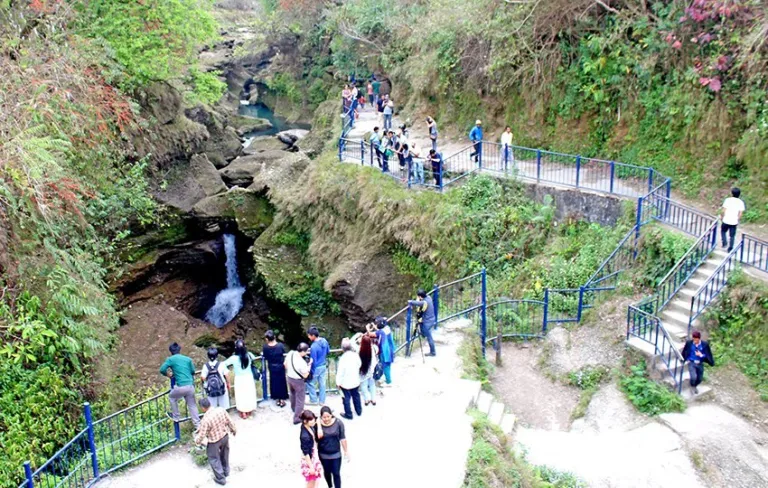
Davis Falls, Pokhara, is one of the most unique and mysterious waterfalls in Nepal, where water suddenly disappears underground into a deep tunnel. Located near the famous Phewa Lake, this natural wonder attracts thousands of domestic and international tourists every year.
Also known as Pokhara Davis Fall, Patale Chhango, or Devi’s Falls, this destination is not just a waterfall but a combination of natural beauty, cultural importance, and geological uniqueness. If you are visiting Pokhara, Davis Falls is a must-see place that offers a completely different experience from typical waterfalls.
“When I (Umesh) last visited Davis Falls in March 2026, the water was roaring at full force and the ticket counter was charging NPR 55 for Nepali visitors. This guide is based on that live experience.”
📍 Location of Davis Falls Pokhara
Davis Falls is located in Chhorepatan, Pokhara-17, one of the most popular tourist areas in Pokhara, Nepal. It lies just a short distance from Phewa Lake and is directly opposite the famous Gupteshwor Mahadev Cave, making it easy to visit both places in one trip.
👉 Distance & Accessibility:
- Around 2–3 km from Lakeside, Pokhara
- About 10–15 minutes drive by taxi or bike
- Easily accessible by local buses and private vehicles
👉 Exact Location:
Davis Falls is situated along the Siddhartha Highway, making it a convenient stop for travelers exploring Pokhara.
This prime location, combined with nearby attractions, makes Davis Falls one of the easiest and most convenient tourist destinations to visit in Pokhara.
Why Davis Falls, Pokhara, is Famous
Davis Falls Pokhara is famous for its unique underground waterfall system, which makes it completely different from other waterfalls in Nepal. Instead of flowing down openly, the water suddenly disappears into a deep, narrow tunnel below the ground.
👉 What makes it special?
- 🌊 Underground Flow: The water vanishes into a hidden tunnel, creating a mysterious natural phenomenon
- 🕳️ Connection to Gupteshwor Cave: The same water can be seen inside the cave from a different viewpoint
- 🌧️ Powerful During Monsoon: The waterfall becomes extremely strong and dramatic during rainy season
- 📸 Perfect Photo Spot: The unique structure attracts photographers and tourists
- 🌿 Natural + Cultural Value: Combines natural beauty with local beliefs and history
👉 Because of these features, Davis Falls is often called one of the most unusual and fascinating waterfalls in Nepal.
Why Davis Falls, Pokhara, is Famous
Davis Falls Pokhara is famous for its unique underground waterfall system, which makes it completely different from other waterfalls in Nepal. Instead of flowing down openly, the water suddenly disappears into a deep, narrow tunnel below the ground.
👉 What makes it special?
- 🌊 Underground Flow: The water vanishes into a hidden tunnel, creating a mysterious natural phenomenon
- 🕳️ Connection to Gupteshwor Cave: The same water can be seen inside the cave from a different viewpoint
- 🌧️ Powerful During Monsoon: The waterfall becomes extremely strong and dramatic during rainy season
- 📸 Perfect Photo Spot: The unique structure attracts photographers and tourists
- 🌿 Natural + Cultural Value: Combines natural beauty with local beliefs and history
👉 Because of these features, Davis Falls is often called one of the most unusual and fascinating waterfalls in Nepal.
Best Time to Visit Davis Falls, Pokhara
The best time to visit Davis Falls Pokhara depends on what kind of experience you are looking for.
🌧️ Monsoon Season (June – September) – Best Experience 🔥
During the rainy season, the waterfall becomes extremely powerful due to heavy rainfall. The water flow increases dramatically, creating a loud and impressive underground current.
👉 This is the best time if you want to see the waterfall at its strongest and most dramatic form.
☀️ Autumn & Winter (October – March) – Clear & Peaceful
During these months, the weather is clear, and the surroundings are more peaceful. The water flow is lower, but you can enjoy a relaxed visit with fewer crowds.
👉 Ideal for:
- Photography 📸
- Comfortable travel 🌿
⚠️ Travel Tip
Avoid visiting during extreme rainfall days, as the area can become slippery and unsafe.
👉 Overall, the monsoon season is considered the best time to experience the true power of Davis Falls, while winter offers a calmer and more scenic visit.
Davis Falls Pokhara Entry Fee (Updated 2026)
Visiting Davis Falls, Pokhara, is very affordable, making it a popular destination for both local and international travelers.
💰 Entry Fee Details:
| Category | Price (NPR) | Approx. USD |
|---|---|---|
| Students | Rs. 20 | $0.15 |
| Nepali | Rs. 40 | $0.30 |
| SAARC Tourists | Rs. 80 | $0.60 |
| Foreigners | Rs. 100 | $0.75 |
👉 (USD values are approximate and may vary with exchange rates.)
🕘 Opening Hours
- Open daily: 6:00 AM – 7:00 PM
💡 Why It’s Worth It
- Budget-friendly destination 💰
- Easy access from Pokhara city 📍
- Great experience for a low price 👍
👉 Even for international tourists, Davis Falls offers excellent value for money.
Nearby Attractions Around Davis Falls, Pokhara
One of the best things about visiting Davis Falls Pokhara is that several popular tourist attractions are located nearby. You can easily explore multiple destinations in a single trip.
🛕 Gupteshwor Mahadev Cave
Located just opposite Davis Falls, this sacred cave is directly connected to the underground water system of the waterfall. Inside the cave, you can even see the flowing water from a different perspective.
🏞️ Phewa Lake
One of the most famous lakes in Nepal, Phewa Lake, is only a few minutes away. Visitors can enjoy boating, lakeside cafes, and stunning reflections of the mountains.
🏔️ World Peace Pagoda
Situated on a hilltop, this pagoda offers a breathtaking panoramic view of Pokhara City, Phewa Lake, and the Himalayan range.
🌊 Begnas Lake
If you want a quieter and less crowded place, Begnas Lake is a perfect option. It is ideal for relaxing and enjoying nature.
Things to Do at Davis Falls, Pokhara
Visitors to Davis Falls Pokhara can enjoy a variety of simple but memorable experiences. Even though it is a short-visit destination, there are several things you can do to make your trip enjoyable.
📷 Capture Stunning Photos
The unique underground waterfall creates a perfect backdrop for photography. The powerful water flow during monsoon makes it even more dramatic.
🌊 Experience the Underground Waterfall
Watch how the water suddenly disappears into a deep tunnel. This rare natural phenomenon is what makes Davis Falls truly special.
🌸 Explore the Garden Area
The surrounding area includes small gardens, resting spots, and decorative elements that make the visit relaxing and enjoyable.
👘 Try Cultural Dress Photography
Some visitors enjoy wearing traditional Nepali dresses and taking photos, adding a cultural touch to their experience.
🌿 Relax and Enjoy Nature
The cool environment, sound of flowing water, and greenery make it a peaceful place to spend some time.
🧭 Travel Tips for Visiting Davis Falls Pokhara
To make your visit to Davis Falls Pokhara safe and enjoyable, here are some useful travel tips you should keep in mind:
⏰ Visit Early or Late
Try to visit in the morning or late afternoon to avoid crowds and enjoy a more peaceful experience.
🌧️ Be Careful During Monsoon
The waterfall becomes extremely powerful during the rainy season. Always stay behind safety barriers and avoid getting too close.
📷 Carry a Camera
This is one of the best photo spots in Pokhara, so don’t forget your camera or smartphone.
👟 Wear Comfortable Shoes
The area can be slightly wet and slippery, especially near the waterfall, so wear comfortable and non-slip footwear.
🗺️ Combine Nearby Attractions
Plan your trip to include nearby places like Gupteshwor Mahadev Cave and Phewa Lake for a complete experience.
🚫 Follow Safety Rules
Avoid crossing restricted areas and always follow the safety instructions provided at the site.
Frequently Asked Questions (FAQs) about Davis Falls Pokhara
❓ Where is Davis Falls located?
👉 Davis Falls is located in Chhorepatan, Pokhara-17, Nepal, near Phewa Lake and just opposite Gupteshwor Mahadev Cave.
❓ Why is it called Davis Falls?
👉 The waterfall is named after a Swiss tourist named Davy (David) who was swept away by the waterfall in 1961. Locally, it is also known as Patale Chhango, meaning underground waterfall.
❓ What is the entry fee for Davis Falls Pokhara?
👉 The entry fee ranges from Rs. 20 to Rs. 100, depending on the visitor category (students, Nepali, SAARC, foreigners).
❓ What is the best time to visit Davis Falls?
👉 The best time to visit is during the monsoon season (June–September) when the water flow is strongest. However, winter offers a calmer and more peaceful experience.
❓ Is Davis Falls safe to visit?
👉 Yes, it is safe if you follow the safety rules and stay within designated areas, especially during the rainy season.
❓ How deep is Davis Falls?
👉 The exact depth is not clearly measured, but the waterfall flows into a deep underground tunnel, making it dangerous to approach closely.
❓ How much time is needed to visit Davis Falls?
👉 Most visitors spend around 30 minutes to 1 hour, making it a perfect short stop in Pokhara.
Explore More Destinations in Nepal
Related Posts
Recent Posts
-
Annapurna Base Camp Trek 2026: Complete Guide
Nov 02, 2025 | Umesh Thapa
-
Pathivara Mata Temple Travel Guide 2026 (Trek Distance, Cost & Route)
Oct 29, 2025 | Umesh Thapa
-
Ghyangswara Park: The Ultimate Peaceful Nature Destination in Nepal
Oct 15, 2025 | Umesh Thapa
-
Ghyangphedi: Uncover Stunning Nepalese Village
Oct 09, 2025 | Umesh Thapa
-
Nyatapola Temple: Bhaktapur’s Iconic Five-Story Pagoda
Oct 03, 2025 | Umesh Thapa
Popular Posts
-
-
Pathivara Mata Temple Travel Guide 2026 (Trek Distance, Cost & Route)
Oct 29, 2025 | Umesh Thapa 484 views -
Annapurna Base Camp Trek 2026: Complete Guide
Nov 02, 2025 | Umesh Thapa 480 views -
Ghyangswara Park: The Ultimate Peaceful Nature Destination in Nepal
Oct 15, 2025 | Umesh Thapa 433 views -
Ghyangphedi: Uncover Stunning Nepalese Village
Oct 09, 2025 | Umesh Thapa 352 views