Pathivara Mata Temple Travel Guide 2026 (Trek Distance, Cost & Route)
📍 Overview
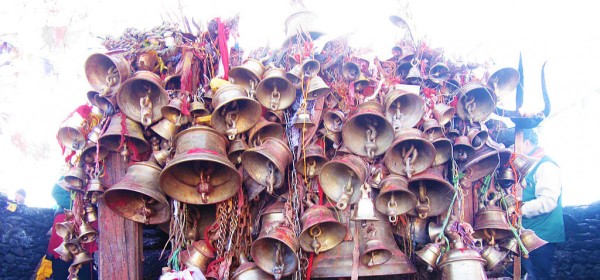
Pathivara Mata Temple is one of the most famous pilgrimage destinations in Taplejung, located in eastern Nepal. Situated at an altitude of 3,794 meters (12,448 ft), this sacred temple attracts thousands of devotees from Nepal and India every year.
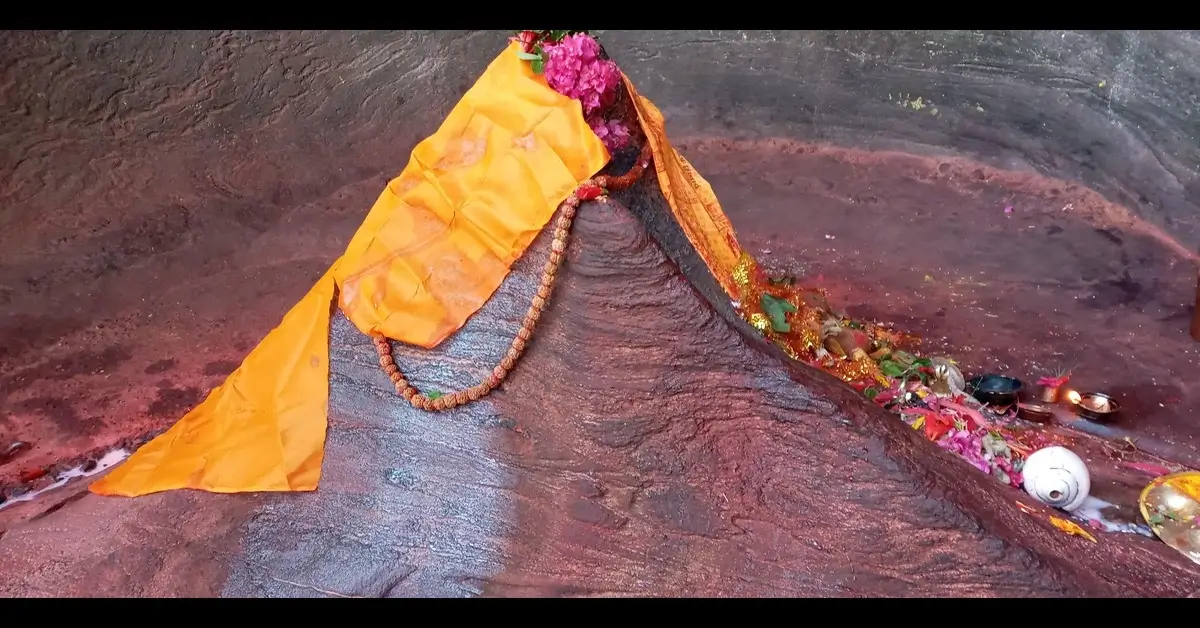
The temple is dedicated to Goddess Pathivara, believed to fulfill wishes and bless devotees with prosperity and success. Apart from its religious importance, Pathivara is also popular for its beautiful trekking route and stunning Himalayan views.
⚡ Quick Information
- 📍 Location: Taplejung, Nepal
- ⛰️ Altitude: 3,794 meters
- 🥾 Trek Duration: 5–6 hours
- 💰 Entry Fee: Free
- 🗓️ Best Time: March–May, September–November
🗺️ How to Reach Pathivara Temple
Reaching Pathivara Temple is an exciting journey that combines travel and trekking.
✈️ By Air
You can take a flight from Kathmandu to Bhadrapur, which takes about 45 minutes. Flights usually cost around Rs 6,000–10,000 depending on the season.
🚙 By Road
From Bhadrapur, you need to travel to Taplejung by jeep or bus. This journey takes around 10–12 hours through scenic hills and highways.
🥾 Final Trek
From Taplejung, travel to Suketar and then reach Phedi. From here, you begin your trek to the temple, which takes around 5–6 hours.
👉 Alternative route:
You can also travel from Dharan → Dhankuta → Basantapur and then trek towards Pathivara.
🥾 Trek Distance & Route
The trek to Pathivara Temple is short but physically demanding. It is suitable for beginners with basic fitness.
- Starting Point: Phedi
- Duration: 5–6 hours
- Difficulty: Moderate
📍 Route Breakdown:
- Phedi → Upper Phedi (steep climb, 2 hours)
- Upper Phedi → Forest trail (3 hours)
- Final climb to temple (1 hour)
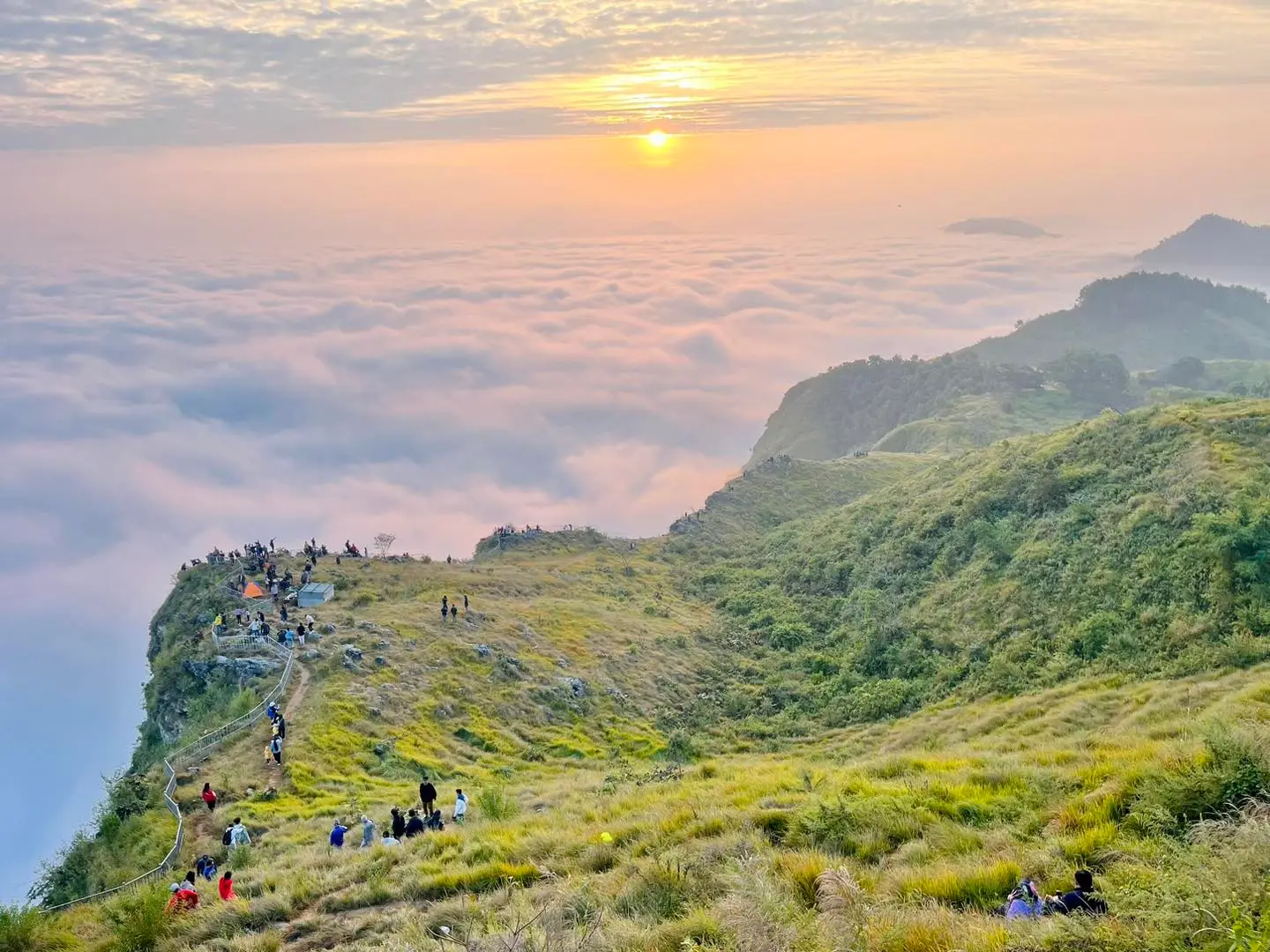
The trail passes through:
- Rhododendron forests 🌸
- Peaceful hills and villages 🏡
- Tea shops for rest ☕
Although the trail is steep, the natural beauty and fresh mountain air make it a rewarding experience.
💰 Cost Breakdown (Estimated Budget)
A trip to Pathivara Temple can be done on a reasonable budget.
| Cost | Budjet |
|---|---|
| Flight (Kathmandu–Bhadrapur) | Rs 6,000 – 10,000 |
| Jeep (Bhadrapur–Taplejung) | Rs 1,500 – 2,500 |
| Food | Rs 500 – 1,000/day |
| Hotel | Rs 500 – 1,500/night |
👉 Total estimated budget: Rs 10,000 – 15,000
You can reduce cost by:
- Traveling by bus instead of flight
- Staying in basic lodges
🌸 Best Time to Visit
Choosing the right season is very important for a safe and enjoyable trip.
🌸 Spring (March–May)
- Best weather
- Rhododendron flowers bloom
- Clear views
🍁 Autumn (September–November)
- Clear sky and mountain views
- Most popular season
❄️ Winter (December–February)
- Heavy snowfall
- Very cold (not recommended)
🌧️ Monsoon (June–August)
- Slippery trails
- Risk of landslides
👉 Best choice: Spring & Autumn ✔️
📖 History & Legend
Pathivara Temple has strong religious beliefs and myths. According to legend, shepherds once lost their sheep in this area. The goddess appeared in their dreams and instructed them to worship her.
After performing rituals and offering sacrifice, the lost sheep returned. Since then, Pathivara Mata has been worshipped as a powerful goddess who fulfills wishes.
The Limbu community calls this place “Muktuka Bung,” meaning a source of strength and power.
🏔️ Things to Expect on the Way
The journey to Pathivara is not just religious—it is also a beautiful nature experience.
During the trek, you will see:
- Dense forests 🌲
- Fresh mountain air 🌬️
- Local tea houses ☕
- Friendly local people 👥
The peaceful environment makes the trek enjoyable and refreshing.
🛏️ Accommodation & Food
Basic facilities are available along the route.
🏠 Accommodation:
- Lodges in Taplejung and Phedi
- Simple rooms with basic facilities
🍛 Food:
- Dal Bhat 🍚
- Noodles 🍜
- Tea & snacks ☕
👉 Prices are affordable but increase at higher altitude.
🏔️ Mountain Views
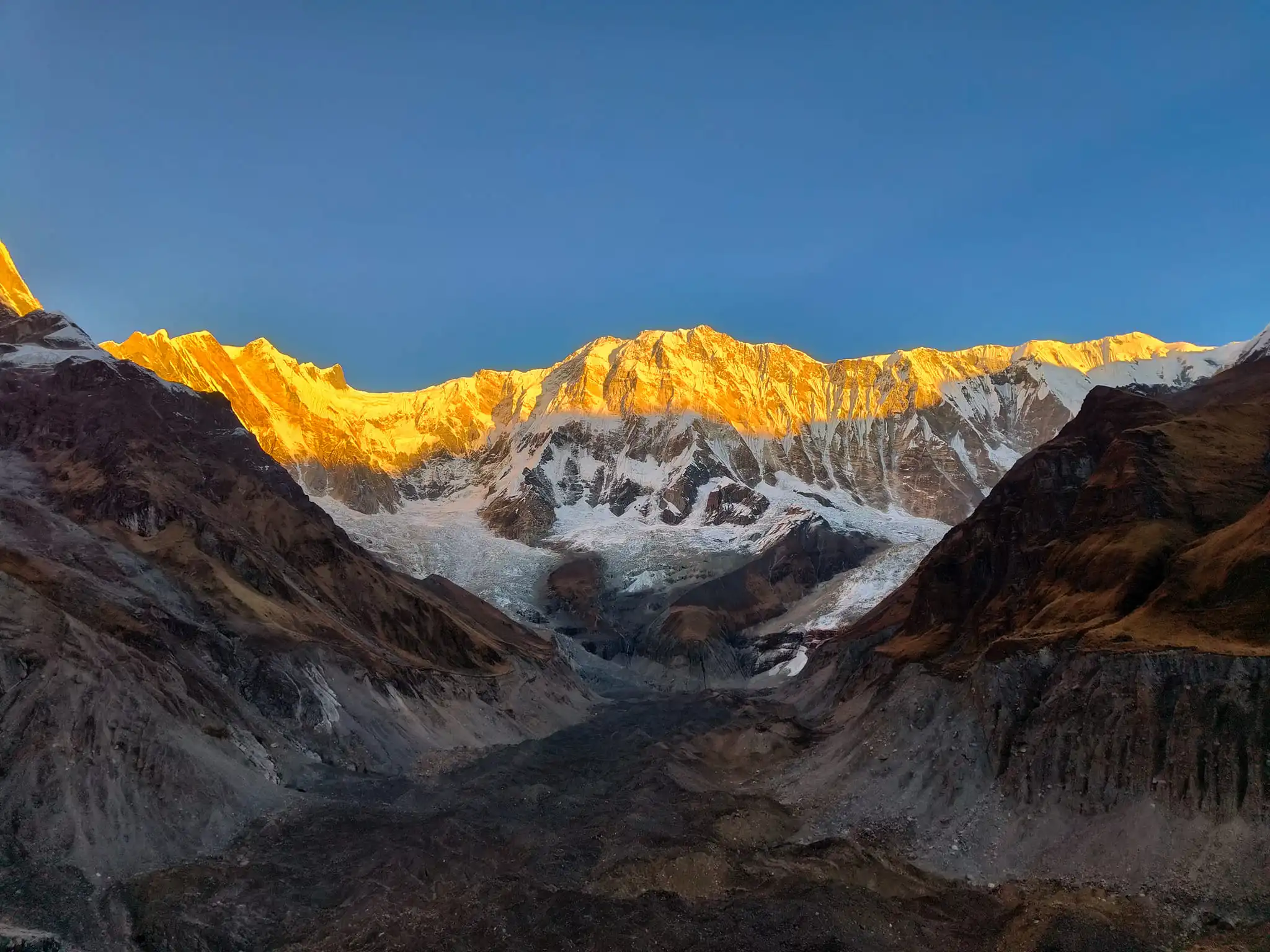
From the top, you can enjoy breathtaking views of:
- Kanchenjunga (M) (Sewalung) 8586 m.
- Kanchenjunga (C) 8482 m., Kumbhakarna (Phaktanglung) 7710 m.
- Kangbachen 7903 m.
- Kanchenjunga (S) 8476 m., Makalu 8463 m.
- Lhotse 8516 m., Notse 7855 m.
👉 Sunrise and sunset views are unforgettable 🌄
🧳 Travel Tips
- Carry warm clothes 🧥
- Drink plenty of water 💧
- Start trek early morning 🌅
- Avoid heavy luggage 🎒
- Respect local culture 🙏
❓ FAQs
❓ Is Pathivara trek difficult?
👉 Moderate, beginners can do it with rest.
❓ Is there mobile network?
👉 Limited network available.
❓ Do I need a guide?
👉 Not necessary, but helpful for beginners.
❓ Is Pathivara safe?
👉 Yes, it is safe for travelers.
❓ How long does it take?
👉 5–6 hours trek.
🏁 Conclusion
Pathivara Mata Temple is a perfect blend of spirituality, adventure, and natural beauty. Whether you are a pilgrim or a traveler, this journey offers a unique and unforgettable experience.
If you are planning a trip in 2026, Pathivara should definitely be on your travel list.
Related Posts
Recent Posts
-

Amazing Pashupatinath Temple Guide: Timing, Entry Fee & Travel Tips 2026
Mar 17, 2026 | Umesh Thapa
-
India’s Ceramic Tile Industry: Growth, Innovation, Exports, and Future Opportunities
Mar 02, 2026 | Umesh Thapa
-
What Is the Indian Legend Regarding the Discovery of Tea?
Mar 02, 2026 | Umesh Thapa
-
Budget Travel Tips for Expensive Cities USA: How to Explore Without Overspending
Mar 01, 2026 | Umesh Thapa
-
Top 5 Best Visiting Places in Nepal (2026)
Feb 28, 2026 | Umesh Thapa


Popular Posts
-

-

Discover Manungkot: A Hidden Gem in Nepal
Sep 06, 2025 | Umesh Thapa 649 views -

Annapurna base camp trek
Nov 02, 2025 | Umesh Thapa 409 views -

Pathivara Mata Temple Travel Guide 2026 (Trek Distance, Cost & Route)
Oct 29, 2025 | Umesh Thapa 392 views -

Ghyangswara Park: The Ultimate Peaceful Nature Destination in Nepal
Oct 15, 2025 | Umesh Thapa 340 views