Gosaikunda Altitude: Height, Difficulty & Trekking Guide
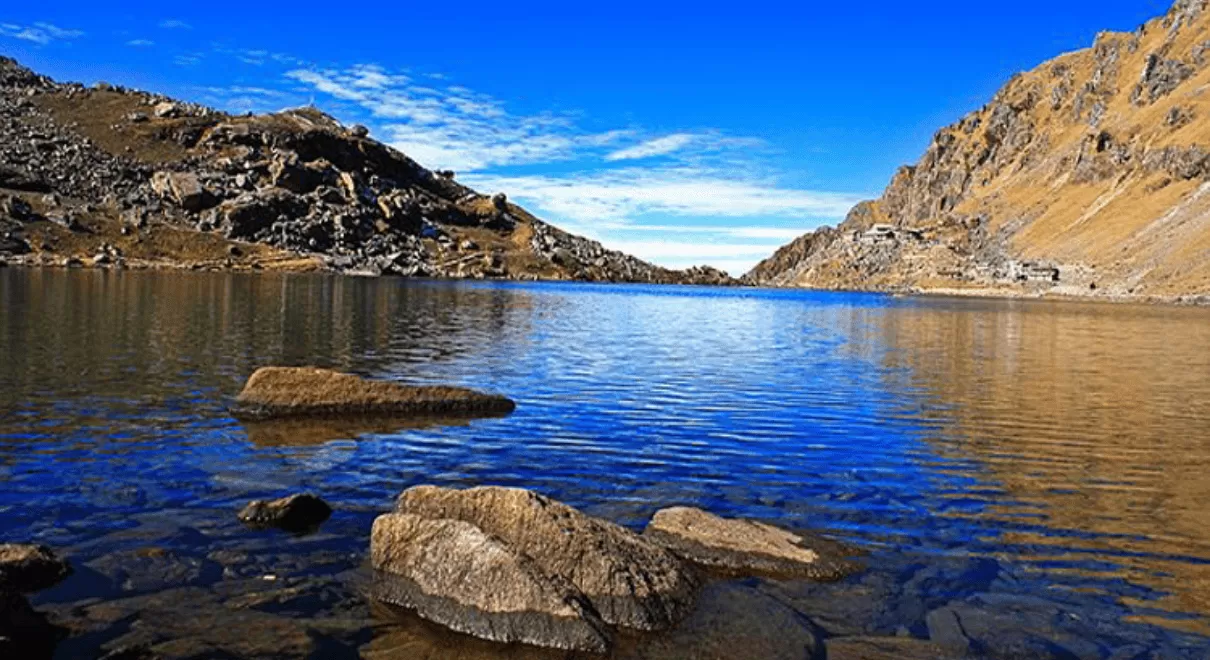
The Gosaikunda altitude is one of the most important things to understand before planning this high-altitude trek in Nepal. Gosaikunda Lake is located at 4,380 meters (14,370 feet) above sea level inside Langtang National Park.
At this elevation, the air becomes thinner, and even a short hike can feel challenging. That’s why knowing the altitude of Gosaikunda helps trekkers prepare better, avoid risks, and enjoy the journey safely.
What is the altitude of Gosaikunda
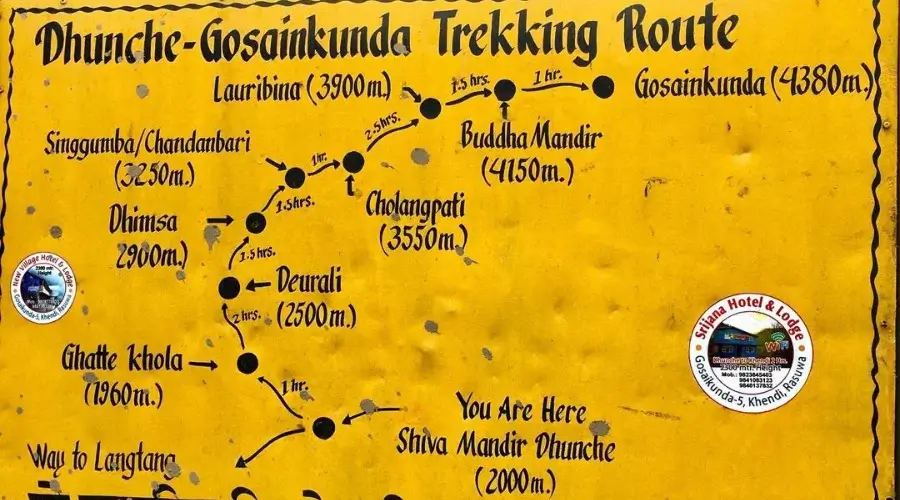
The altitude of Gosaikunda Lake is 4,380 meters (14,370 feet) above sea level. This high elevation makes it one of the most popular high-altitude destinations in Nepal.
Located inside Langtang National Park, Gosaikunda is not only famous for its natural beauty but also for its challenging altitude. As trekkers reach above 4,000 meters, the oxygen level decreases, which can make breathing more difficult.
Because of this altitude, proper preparation, slow trekking pace, and acclimatization are very important for a safe journey.
Altitude Sickness Guide for Gosaikunda Trek
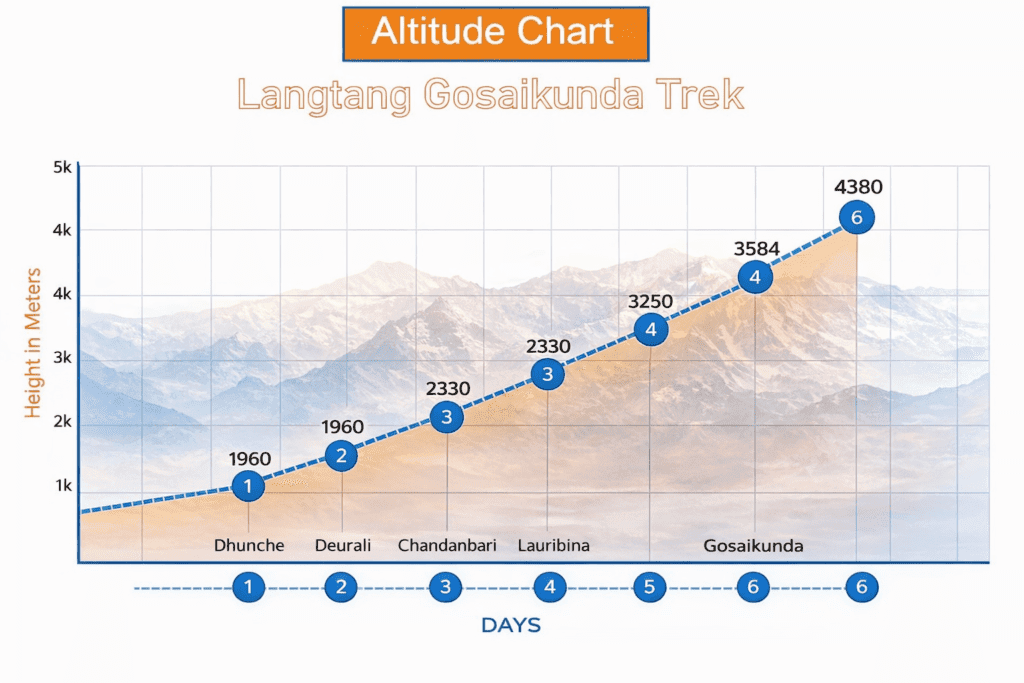
Trekking to Gosaikunda Lake at an altitude of 4,380 meters exposes trekkers to the risk of altitude sickness, a common condition in high-altitude regions. As you ascend above 2,500 meters, oxygen levels decrease, and your body needs time to adapt. Without proper acclimatization, symptoms can appear quickly, especially on short but steep treks like Gosaikunda.
The most common symptoms of altitude sickness include headache, nausea, dizziness, fatigue, and shortness of breath. In some cases, trekkers may also experience loss of appetite and difficulty sleeping. These symptoms usually begin mildly but can become serious if ignored. Since the Gosaikunda trek involves rapid altitude gain from places like Dhunche to above 4,000 meters within a few days, the risk is higher for beginners.
To prevent altitude sickness, it is important to follow a gradual pace and allow your body to adjust. Stay well hydrated by drinking at least 3–4 liters of water daily, and avoid alcohol or smoking during the trek. Taking rest days at places like Chandanbari can help with acclimatization. Eating light, energy-rich meals also supports your body at high altitude.
If symptoms worsen, the best solution is to stop ascending and rest. If necessary, descend to a lower altitude immediately. Ignoring symptoms can lead to serious conditions, so early action is critical. With proper awareness and preparation, most trekkers can safely complete the Gosaikunda trek and enjoy its breathtaking beauty.
Tips to Avoid Altitude Sickness (AMS) at Gosaikunda
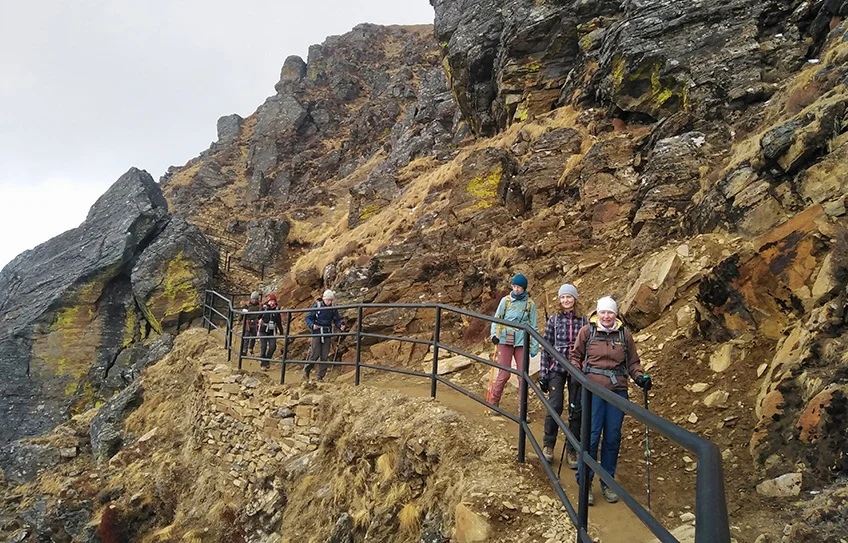
Trekking to Gosaikunda Lake at 4,380 meters requires proper preparation to avoid altitude sickness. The biggest mistake trekkers make is going too fast without giving their body time to adjust.
Here are the most effective, research-based tips to prevent AMS:
Ascend Slowly (Most Important Rule 🔥)
The best way to prevent altitude sickness is gradual ascent. Your body needs time to adapt to lower oxygen levels.
👉 Experts recommend increasing sleeping altitude by only 300–500 meters per day above 2,500 m.
👉 Golden tip:
“Climb high, sleep ‘low’—go higher during the day but sleep at a lower altitude.
Take Proper Acclimatization Days
Do not rush your trek.
- Stay at mid-points like Chandanbari
- Take rest every 2–3 days
This allows your body to adjust and reduces AMS risk significantly.
Stay Hydrated (Simple but Powerful)
Drink at least 3–4 liters of water daily.
High altitude causes dehydration faster, which increases AMS risk.
Avoid Alcohol & Smoking
Alcohol and smoking reduce oxygen levels further and worsen symptoms.
👉 Avoid them, especially during the first 48 hours at altitude
Eat High-Carbohydrate Foods (Hidden Secret 🍚)
This is a less-known but powerful tip:
👉 Eating more carbohydrates helps your body produce energy efficiently at high altitudes.
Examples:
- Rice
- Dal
- Potatoes
- Bread
Don’t Ignore Early Symptoms
Golden rule from experts:
👉 Never climb higher if you feel symptoms
👉 Descend if symptoms get worse
Ignoring symptoms can lead to serious conditions.
Walk Slow & Avoid Overexertion
Do not rush or compete with others.
- Keep a steady pace
- Avoid heavy exercise
- Take frequent breaks
Your body needs energy to adapt, not just to walk.
Consider Medication (Advanced Option)
Some trekkers use acetazolamide to prevent AMS.
👉 It helps your body acclimatize faster
👉 Use only after consulting a doctor
Golden Rule (Most Important)
👉 “Go slow, listen to your body, and never ignore symptoms.”
Even a short trek like Gosaikunda can become dangerous if altitude is not taken seriously.
Can Beginners Handle Gosaikunda Altitude?
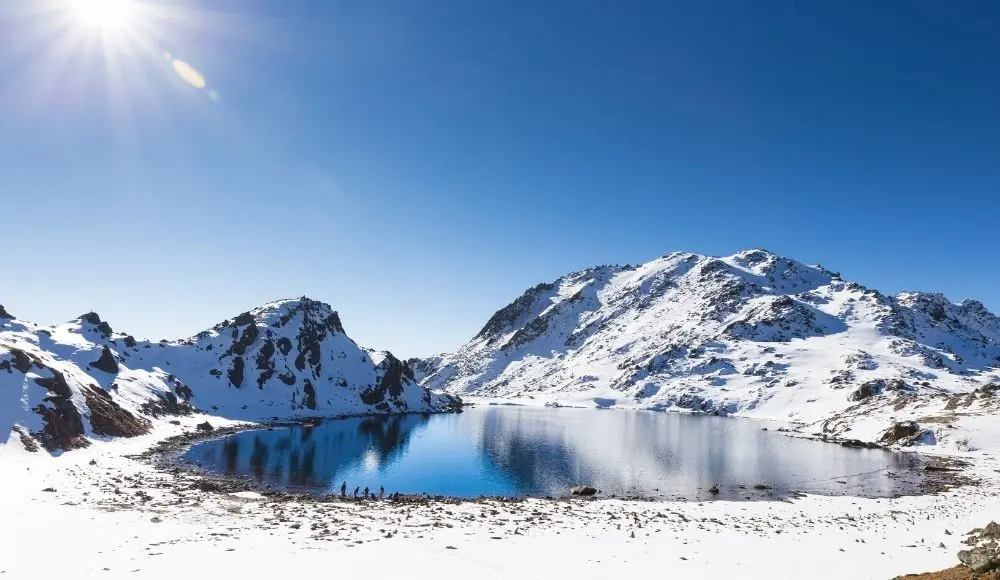
Yes, beginners can handle the altitude of Gosaikunda Lake, but only with proper preparation and a careful approach. At 4,380 meters, this trek is considered high-altitude, which means it can be challenging for first-time trekkers.
The good news is that the Gosaikunda trek is relatively short and does not require technical climbing skills. However, the main difficulty comes from the altitude, not the distance. As you go higher, oxygen levels drop, and your body needs time to adjust.
For beginners, the key is to trek slowly and follow proper acclimatization. Starting from Dhunche, it is important to spend a night at places like Chandanbari or Laurebina before reaching Gosaikunda. This helps your body adapt to the increasing altitude.
Basic fitness is also important. You should be able to walk 5–6 hours a day on uphill trails. Regular walking, light exercise, or short hikes before the trek can make a big difference.
Most importantly, beginners must be aware of altitude sickness. Listening to your body, staying hydrated, and avoiding rapid ascent are essential for safety.
Best Time to Visit Gosaikunda
The best time to visit Gosaikunda Lake is during spring (March to May) and autumn (September to November). These seasons offer the most stable weather, clear mountain views, and comfortable trekking conditions.
In spring, the trail becomes colorful with blooming rhododendrons, and the temperature is mild, making the trek more enjoyable. Autumn is considered the most popular season because of its crystal-clear skies and dry weather, which provide excellent visibility of the surrounding हिमालय range.
Winter (December to February) brings heavy snowfall, and the lake often freezes due to the high altitude of 4,380 meters. Trekking during this time can be difficult and risky, especially for beginners. Similarly, the monsoon season (June to August) is not ideal because of rain, slippery trails, and limited views.
Another important time to visit is during Janai Purnima, when thousands of pilgrims travel to Gosaikunda for a holy bath. This period offers a unique cultural experience but can be crowded.
Conclusion
The Gosaikunda altitude of 4,380 meters makes it one of the most exciting yet challenging treks in Nepal. Located at Gosaikunda Lake inside Langtang National Park, this destination offers both natural beauty and spiritual significance.
While the trek is relatively short, the high altitude can make it physically demanding, especially for beginners. Understanding the altitude, preparing properly, and following safety tips can help you complete the journey safely.
Whether you are trekking for adventure or visiting for religious reasons, Gosaikunda is a truly unforgettable experience. With the right preparation and timing, anyone can enjoy this beautiful high-altitude destination.
FAQs About Gosaikunda Altitude
What is the altitude of Gosaikunda Lake?
The altitude of Gosaikunda Lake is 4,380 meters (14,370 feet) above sea level.
Is Gosaikunda a high-altitude trek?
Yes, Gosaikunda is considered a high-altitude trek because it reaches above 4,000 meters inside Langtang National Park.
Can beginners handle Gosaikunda altitude?
Yes, beginners can complete the trek, but they must go slowly, acclimatize properly, and be aware of altitude sickness.
Is the oxygen level low at Gosaikunda?
Yes, at 4,380 meters, oxygen levels are significantly lower than at sea level, which can make breathing more difficult.
What is the highest point of the Gosaikunda trek?
The highest point of the trek is Lauribina Pass, which is around 4,610 meters above sea level.
How can I avoid altitude sickness in Gosaikunda?
You can prevent altitude sickness by walking slowly, staying hydrated, acclimatizing properly, and avoiding alcohol.
How long does it take to reach Gosaikunda?
Most trekkers reach Gosaikunda in 2–3 days from Dhunche, depending on their pace and acclimatization.
Read Next
Related Posts
Recent Posts
-
Pokhara Travel Guide 2026: Best Places, Activities & Costs
Apr 30, 2026 | Umesh Thapa
-
Gosaikunda Trek Permit Cost 2026: Complete Fee Breakdown
Apr 28, 2026 | Umesh Thapa
-
Langtang Valley Trek Difficulty: Complete Guide with Tips (2026)
Apr 28, 2026 | Umesh Thapa
-
Langtang Valley Trek Itinerary: 5-Day, 7-Day & 10-Day Options (2026)
Apr 28, 2026 | Umesh Thapa
-
Langtang Valley Trek Cost 2026: Complete Budget Breakdown
Apr 28, 2026 | Umesh Thapa
Popular Posts
-
-
Discover Manungkot: A Hidden Gem in Nepal
Sep 06, 2025 | Umesh Thapa 740 views -
Pathivara Mata Temple Travel Guide 2026 (Trek Distance, Cost & Route)
Oct 29, 2025 | Umesh Thapa 472 views -
Annapurna Base Camp Trek 2026: Complete Guide
Nov 02, 2025 | Umesh Thapa 470 views -
Ghyangswara Park: The Ultimate Peaceful Nature Destination in Nepal
Oct 15, 2025 | Umesh Thapa 424 views